
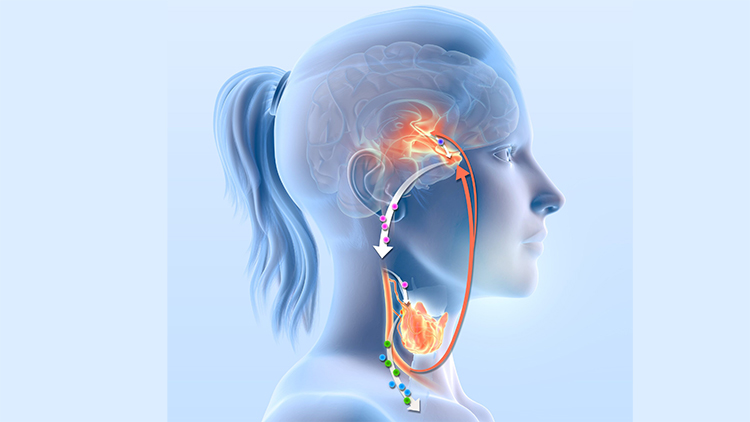
Understanding the complex relationship between your brain, pituitary gland, and thyroid is essential for optimizing thyroid function. The regulation of hormones such as TRH, TSH, and T3 is crucial for maintaining energy levels, metabolism, and overall health. By addressing factors like stress, diet, and inflammation, you can support healthy thyroid activity. To gain deeper insight into your thyroid health, consider ordering an at-home TRH test. This convenient option allows you to assess hormone levels from the comfort of your home, giving you the tools to make informed decisions and take control of your well-being.
Your Brain’s Role in Thyroid Health
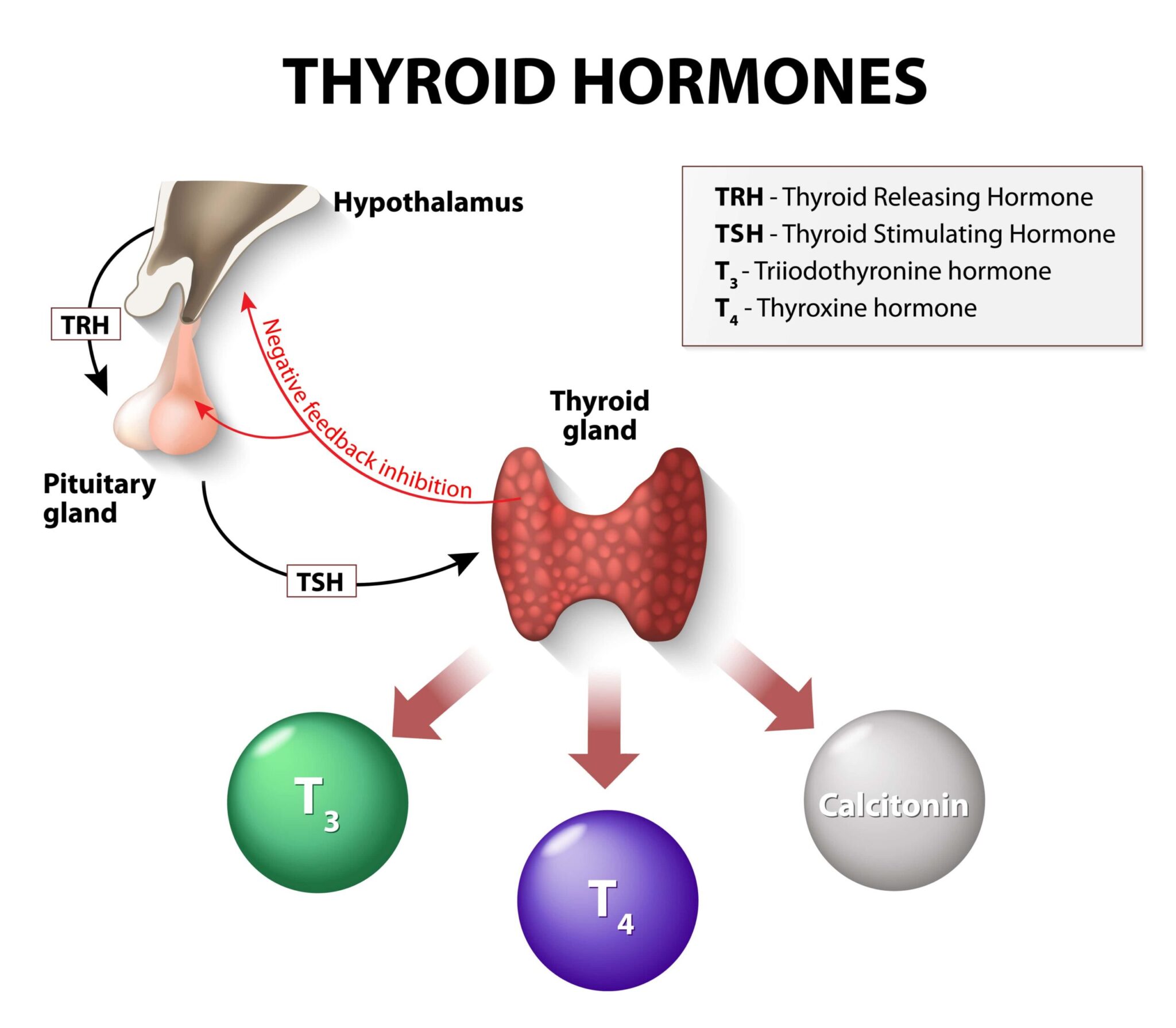 Empowering your journey to optimal thyroid health starts here. Your thyroid plays a pivotal role in your energy, metabolism, and overall well-being, but did you know the story goes beyond your thyroid gland? Hormones like TRH and TSH, originating in your brain, orchestrate this critical system. Understanding these connections puts you in control.
By learning how your hypothalamus, pituitary gland, and thyroid work together, you can take actionable steps to address imbalances, improve your health, and reclaim vitality. Keep reading to uncover insights that will empower you with knowledge and guide you toward feeling your best.
High or low TSH levels can be caused by another hormone, TRH (Thyrotropin-Releasing Hormone), which is not typically included in your thyroid blood test panel. Your brain produces TRH, which affects your TSH, or Thyroid-Stimulating Hormone, from your pituitary gland.
What is TRH?
TRH, or Thyrotropin-Releasing Hormone, is a hormone produced by your brain’s hypothalamus. This hormone travels to the pituitary gland, located just below the hypothalamus. The pituitary gland is often referred to as the “master gland” due to its importance in regulating hormones.
TRH from your hypothalamus tells your pituitary gland to produce TSH (Thyroid-Stimulating Hormone). In turn, TSH tells your thyroid gland to produce T4 (Thyroxine) and stimulates the healthy growth and function of the thyroid gland.
TRH → TSH → T4
Hypothalamus → Pituitary Gland → Thyroid Gland
The hypothalamic-pituitary-thyroid (HPT) axis controls the thyroid gland’s growth and function. This complex system optimizes thyroid hormone levels in response to changing conditions in the body, starting with the hypothalamus, which is sensitive to these changes.
Most people have a circadian rhythm in TSH release, with the highest levels between midnight and 4 AM. TSH is quickly produced once TRH enters the pituitary gland. Poor sleep may negatively impact this delicate balance.
Why is TRH Important?
TRH helps your body maintain healthy thyroid hormone production. When more TRH is produced, more TSH is made, and more T4 hormone is produced from the thyroid gland. Conversely, if less TRH is produced, TSH and T4 levels decrease.
 How Do Your Brain and Pituitary Gland Know When to Make More Hormones?
 How Do Your Brain and Pituitary Gland Know When to Make More Hormones?
The main factor affecting the production of TRH and TSH is the level of T3 in those tissues. T3 is the active form of the hormone T4. In both the hypothalamus and the pituitary, it is mainly T3 that inhibits the release of TRH and TSH. T3 levels depend on two things: blood level and local conversion of T4 into T3 in the hypothalamus and pituitary gland.
A blood test can measure T3 levels in your blood, but it cannot measure T3 in the hypothalamus and pituitary.
What Affects TRH Levels?
Your TRH levels mainly depend on the T3 thyroid hormone in the hypothalamus. Increased levels of T3 will result in lower levels of TRH, TSH, and thyroid hormone production.
You could have low blood levels of T3, but T3 levels in the hypothalamus could be normal or high. This would cause low TRH and TSH, which would also lower T4 and T3 levels in the blood.
Enzymes are the Key
Special enzymes called deiodinase enzymes cause the difference in blood and tissue levels. There are three types of deiodinase enzymes:
- D1: Found in tissues throughout the body, especially the liver and kidneys. This enzyme converts T4 into its active form T3 and is responsible for blood levels of T3.
- D2: Found in the pituitary gland and hypothalamus. D2 converts T4 into T3. Increased activity of D2 results in higher levels of T3 in the tissue.
- D3: This enzyme converts T4 and T3 into inactive forms.
Conditions that lower D1 activity and T3 levels will increase D2 activity and T3 levels in the pituitary and hypothalamus.
Factors That Decrease D1 Activity
The following can cause decreased activity of D1 and lower levels of blood T3 while increasing tissue T3:
- Physiological stress
- Emotional stress
- Inflammation
- Autoimmune disease
- Chronic infections
- Chronic pain
- Dieting/caloric restriction

- Weight gain
- Insulin resistance
- Diabetes
- Chronic fatigue
- Inflammatory diet
- Nutritional deficiencies
- Exposure to toxins
- Poor sleep
These are common problems in our society today.
These health issues can result in a common thyroid pattern: Low or low-normal TSH + low or low-normal thyroid hormones. This leaves people with low thyroid function, but it does not match the classic picture of hypothyroidism, which shows low thyroid hormone and high TSH.
Summary
- Increased levels of blood T3 will reduce production of TRH.
- Increased levels of tissue T3 will reduce production of TRH.
- Decreased levels of blood T3 will increase production of TRH.
- Decreased levels of tissue T3 will increase production of TRH.
- Increased stressors on the body may lower TRH.
- Stressors can be physical, emotional, or nutritional.
- Changes in TRH production cause changes in TSH production.
- Changes in TSH production cause changes in thyroid hormone production (T4 and T3).
- Changes in TSH affect thyroid gland growth and health.
The levels of TRH and TSH depend on the overall health of the body. This also means that thyroid hormone levels such as T4, fT4, T3, fT3, and reverse T3 are dependent on the health of your body as a whole.
Order Your At-Home TRH Test Today
Gaining a deeper understanding of how your brain, pituitary gland, and thyroid work together is essential for achieving optimal thyroid health. The regulation of hormones like TRH, TSH, and T3 influences everything from metabolism to energy levels. By addressing issues such as stress, inflammation, and nutritional gaps, you can enhance your thyroid function. To further explore your thyroid health, consider ordering an at-home Reverse T3 test. This convenient test can provide valuable insights into any imbalances, putting you in control of your well-being and guiding you toward informed health decisions.
Note: Diseases of the hypothalamus or pituitary gland may also affect TRH and TSH levels. This article describes how the HPT axis functions under normal conditions and without disease of the hypothalamus, pituitary gland, or thyroid gland.
This article by Dr. Clint Sexton and Sexton Functional Medicine is for educational purposes only and is not a substitute for professional medical advice, diagnosis, or treatment. Always consult a qualified healthcare provider regarding your individual health concerns. Reading this article does not establish a doctor–patient relationship.