
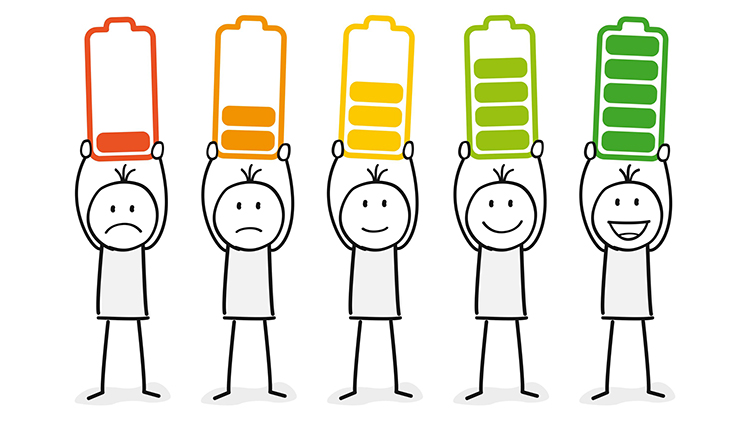
Your thyroid is the powerhouse of your body’s energy and metabolism, influencing nearly every aspect of your health and by ordering a T3 Thyroid Hormone Test, you will uncover that much more! Understanding its key hormones—T3 and T4—empowers you to take control of your well-being. T3, the active form of thyroid hormone, plays a vital role in energy production, while T4 serves as its essential precursor. By learning how these hormones impact your body and recognizing the signs of imbalance, you can take proactive steps to optimize your thyroid health. With knowledge and action, you hold the key to unlocking a healthier, more vibrant life.
Why is it called T3?
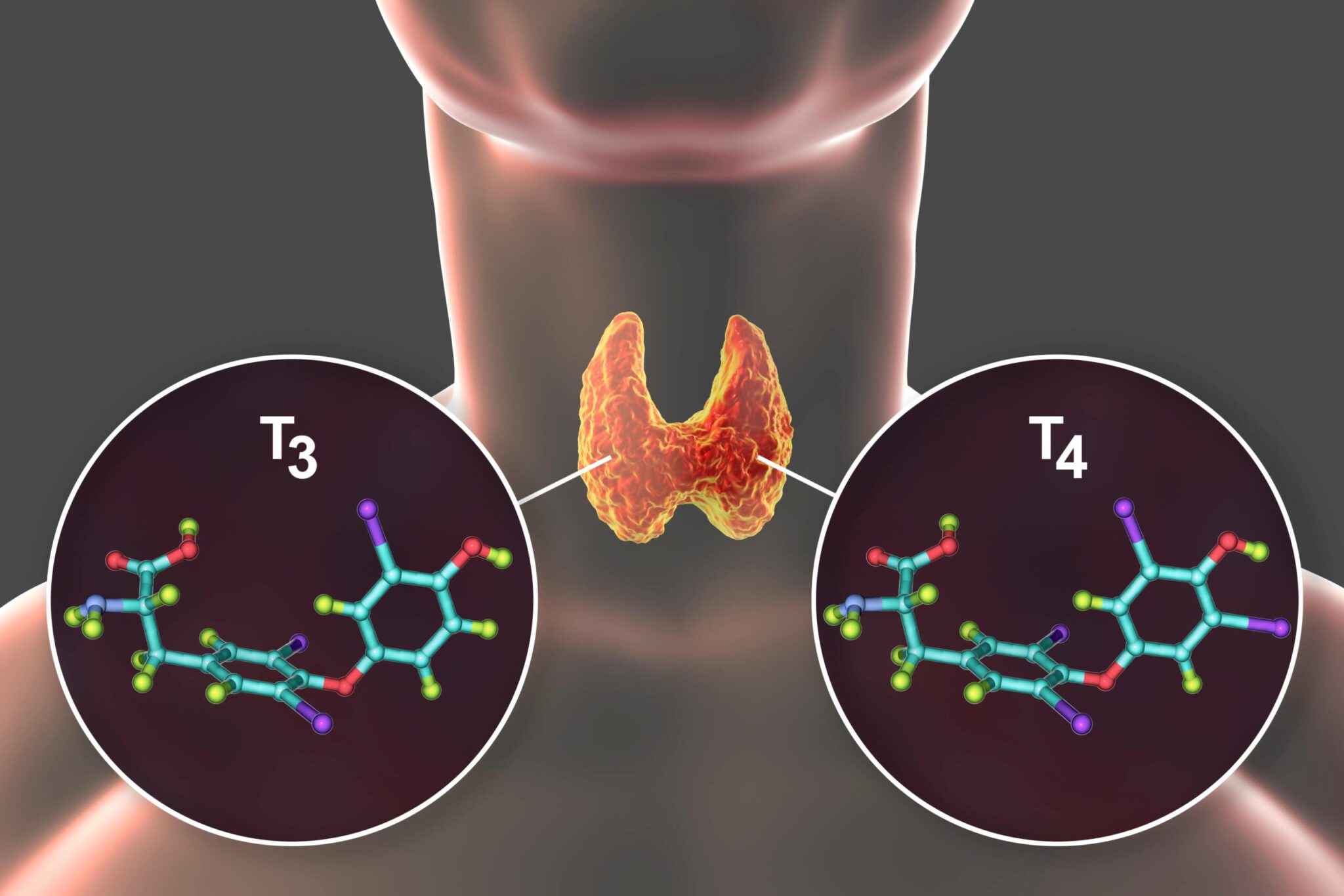 T3 is the most active thyroid hormone and is produced from another thyroid hormone called T4. T3 has three iodine atoms attached to the amino acid tyrosine whereas T4 has 4 iodine atoms. The reason we call it T3 is because it has 3 atoms of iodine. Triiodothyronine blood test is another name for T3 blood test.
Where Does T3 Come From?
The majority of thyroid hormone produced by your thyroid gland is called T4 or Thyroxine. This is not a very active form of thyroid hormone. You have special enzymes in your body tissues called deiodinase enzymes. There are different types of these enzymes, but the one we are talking about here converts the weaker T4 into the stronger hormone called T3 or Triiodothyronine. It is called a deiodinase enzyme because it removes an atom of iodine from T4 to make T3.
What does T3 Do?
The main function of thyroid hormone (T3 and T4) is to drive metabolism. This means that T3 is required by your cells to make energy. The energy is derived from the food you eat as well as the breakdown of tissues like body fat. Your thyroid hormones permit your cells to turn an energy source (food/body fat) into energy.
This is why low levels of thyroid hormone, a condition called hypothyroidism, often results in fatigue and weight gain. Whenever you think of thyroid hormones, think about energy production at the cellular level.
Total and Free T3
Total T3 measures both bound and free triiodothyronine, providing an overview of overall hormone levels in the bloodstream. Free T3 focuses on the active, unbound hormone available for use by the body, making it a more precise indicator of thyroid function.
Thyroid on blood test
Only about 10% of total thyroid hormone is composed of T3 and 70% of it is bound to protein and therefore not biologically active. Your Total T3 value includes T3 hormone that is bound to a protein as well as the T3 hormone not bound to a protein. T3 not bound to a protein is called free T3/ FT3. Free T3 blood test. T3 lab test. These are 2 different tests.
Why is my T3 low?
1. Remember that most of your T3 is actually coming from T4. If your thyroid gland is not producing enough T4 then it will be difficult to maintain healthy levels of T3.
 2. Another reason you may have low T3 is that your deiodinase enzymes are not working well. You can’t turn T4 into T3 without this type of enzyme. Nutrient deficiencies, inflammation and stress are common causes of poor deiodinase activity.
3. Your body may be turning too much of your T4 into a hormone called rT3 / reverse T3. Increased levels of stress hormone called cortisol, produced by the adrenal glands often results in the production of an inactive form of T3 called reverse T3. This inactive form of T3 basically blocks the function of normal T3 on your cells.
The thyroid gland makes T4 which is basically an inactive hormone, it is referred to as a prohormone which means it is a larger inactive hormone that gets converted into a smaller, active one. The T4 prohormone is converted to its active form called T3 and this conversion typically occurs in organs with a lot of blood flow such as the kidneys and liver. Health issues that affect these organs can have a negative impact on your levels of T3.
Other causes of low T3:
- Pituitary gland disease (source of TSH hormone)
- Hypothalamus disease (source of TRH hormone)
- Low protein malnutrition states
- Insufficient caloric intake
- Iodine deficiency
- Kidney disease
- Liver disease
- Cushing syndrome (high cortisol levels)
- Anabolic steroids
- Androgens
- Salicylates in higher doses (such as aspirin or Pepto-Bismol)
As you can see, there are many possible causes of low T3 that do not have anything to do with the thyroid gland. For this reason, T4 tests are more specific to thyroid health than T3 levels.
Labs for thyroid
Hypothyroidism labs. A typical scenario for hypothyroidism would include low levels of T4 and elevated levels of TSH. T3 blood tests; T3 laboratory test values can help establish a more complete picture of total thyroid function. T3 laboratory test values generally reflect how well T4 is being converted into T3 by way of deiodinase enzymes.
Do I have to fast for thyroid blood work?
No, you do not typically need to fast before thyroid blood tests. It is however recommended to stop taking dietary supplements that contain biotin for 72 hours before your T3 Thyroid Hormone test.
Why is my T3 high?
High levels of T3 are not as common as low levels and are typically associated with a disease state of the thyroid gland resulting in high levels of T3 and T4 hormone. It is normal for levels to increase during pregnancy. There is a rare form of hyperthyroidism called T3 toxicosis in which the T4 is normal and the T3 is elevated.
Other causes of High T3
- Pregnancy
- Estrogen
- Oral contraceptives
- Graves disease (hyperthyroidism)
- Plummer disease (multinodular goiter with hyperthyroidism)
- Toxic thyroid adenoma (thyroid tumor)
- Hepatitis (liver)
Symptoms
T3, a critical thyroid hormone, plays a central role in regulating energy, metabolism, and overall health. Imbalances in T3 levels can lead to a range of physical and emotional symptoms, from fatigue and weight changes to mood shifts and temperature sensitivity. Maintaining balanced T3 is essential for optimal well-being and metabolic function.
Low T3
- Weight gain
- Fatigue
- Hair loss
- Brittle nails
- Depression
- Irregular menstruation
- Constipation
- Dry skin
- Puffy face
- Thinning eyebrows
- Lower body temperature; feeling cold
High T3
- Excessive sweating
- Increased heart rate
- Heat intolerance
- Restlessness
- Irritability
- Nervousness
- Weight loss
- Insomnia
Which Supplements Should I Take?
Below are some of the key nutrients that can help your body produce more T4 hormone. Remember that your T3 is made from T4, so we focus on nutrients that will aid T4 production as well as total thyroid gland health.
Taking a dietary supplement will be most effective if you have a deficiency of that nutrient.
- Iodine: a trace mineral (may be contraindicated as a supplement with Hashimoto’s disease but is still required for the production of T4).
- Selenium: a trace mineral required for the production of T4 and helps protect the thyroid gland.
- Zinc: a trace mineral required for production of T4 hormone and T4 hormone is essential for the absorption of zinc.
- Copper: a trace mineral required for T4 and TSH production.
- Iron: a trace mineral that is essential for the activity of enzymes required in thyroid hormone production.
- Vitamin D: helps protect the thyroid gland autoimmune disease which is a very common cause of low T4/ hypothyroidism.
- Vitamin A: along with vitamin D, Vitamin A help balance TSH levels and help protect against the development of thyroid autoimmune disease.
- L-tyrosine: an amino acid / building block of protein; not a common deficiency if adequate protein is consumed in the diet.
Order Your T3 Thyroid Hormone Test
Your thyroid gland is a complex organ that works in concert with other organs. For this reason it is very important to consider the relative health of other organs and systems of the body. In particular, your gut, liver, kidneys, adrenal glands, ovaries and immune system should be factored in when evaluating T3 levels. In addition to the total T3 there is a free T3, reverse T3 and T3 uptake. These tests will be covered in subsequent articles.
If T4 is in a normal range and your T3 is low, you want to think about what other system or organ could be causing the poor conversion of T4 into T3. Order your T3 Thyroid Hormone Test today!
Additional Thyroid Blood Tests
I will be writing blogs and making videos for all of the major thyroid tests. This will include, TRH, TSH, T4, fT4, fT3, rT3, T3U, TPOAb, TSI, TgAb and TRAb.
This article by Dr. Clint Sexton and Sexton Functional Medicine is for educational purposes only and is not a substitute for professional medical advice, diagnosis, or treatment. Always consult a qualified healthcare provider regarding your individual health concerns. Reading this article does not establish a doctor–patient relationship.