
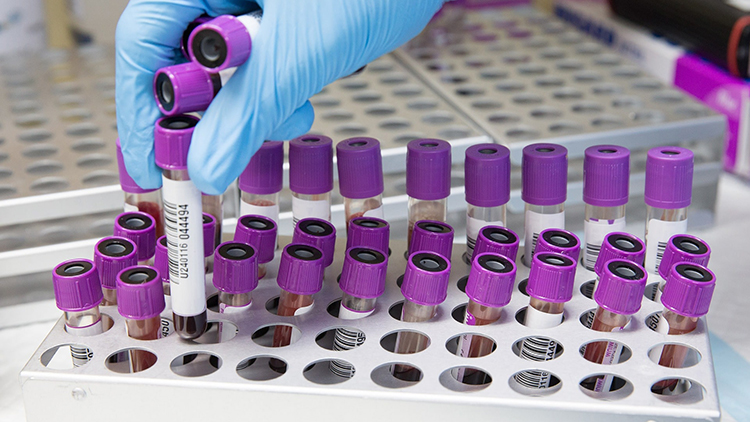
Understanding your body is essential, especially when it comes to autoimmune thyroid conditions and Thyroglobulin Antibodies are a key piece. Thyroglobulin Antibody (TG-Ab) testing provides crucial insights into how your immune system might be targeting your thyroid, a gland responsible for producing hormones that regulate energy, metabolism, and growth. When TG-Ab levels are elevated, it indicates an immune response that could lead to inflammation and disrupt hormone production. Gaining clarity through this test empowers you to take control of your health, guiding strategies to address inflammation, support your thyroid, and promote overall well-being.
Start your journey today toward better thyroid health and a more vibrant you!
 Discover the keys to optimal thyroid health: get accurate answers with essential thyroid tests like the Thyroglobulin antibodies (TgAb) lab test. This test reveals critical clues about your thyroid function and autoimmune influences.
Unlock the secrets of your test results to tackle hidden imbalances, autoimmune triggers, and design a personalized roadmap to renewed energy, metabolism, and overall well-being.
Let’s get started!
Thyroglobulin antibodies (TgAb) are important for diagnosing autoimmune thyroid diseases. These antibodies are produced by the immune system. They mistakenly target thyroglobulin, a vital protein for thyroid hormone production. This leads to inflammation and damage in the thyroid gland. Conditions like Hashimoto’s disease and Graves’ disease often involve TgAb. Therefore, this blood test is crucial for identifying and managing thyroid autoimmune disorders.
If it shows up in thyroid blood tests it indicates active autoimmune disease. This test is often done alongside another test called TPO antibody (Thyroid Peroxidase antibody). Both TG-Ab and TPO-Ab are linked to autoimmune diseases affecting the thyroid gland. Understanding these tests is vital for managing autoimmune thyroid disease and its treatment.
Key Point: Autoimmune diseases are driven by the immune system, not the thyroid gland. If you test positive for TG-Ab or TPO-Ab, this information is important for you to know. This article will focus on TG-Ab, while a separate article will cover TPO-Ab.
What is Thyroglobulin?
Thyroglobulin is a protein made in and located within the thyroid gland. The thyroid uses it to create the hormones triiodothyronine (T3) and thyroxine (T4). This protein is crucial for the production, storage, and release of these hormones, which help control metabolism and growth.
What is Thyroglobulin Antibody?
 Thyroglobulin antibodies (TgAb) are proteins made against thyroglobulin. Antibodies help the immune system recognize and eliminate foreign substances, such as bacteria, fungi, or viruses. However, they can harm the body when they target its own tissues and proteins.
Here’s how antibodies are produced against thyroglobulin:
- Thyroglobulin should remain within the thyroid gland.
- If it escapes or contacts the environment outside of the gland, the immune system erroneously identifies it as foreign to the body.
- The immune system then produces antibodies against it.
If the thyroid gland is inflamed, infected, or damaged, thyroglobulin may be exposed to the immune system resulting in the production of antibodies against it.
Thyroglobulin Antibody may be linked to the following thyroid diseases:
- Hashimoto’s disease
- Thyrotoxicosis / hyperthyroidism (most commonly Graves’ disease)
- Thyroid cancer
What Does Thyroglobulin Antibody Do?
In autoimmune disorders, the immune system attacks healthy tissues as if they were foreign. For TG-Ab, the target is the thyroglobulin protein in the thyroid gland. When the antibody attaches to this protein, it marks it for destruction.
Effects of TG-Ab include:
- The immune system attacks the marked protein, thyroglobulin.
- Surrounding proteins and tissues also get damaged in the process of attack resulting in damage to the thyroid gland.
- This can lead to more proteins leaking out, which causes more antibodies, more attacks and more damage to the gland.
- If enough damage occurs, levels of T3 and T4 thyroid hormones will drop. Since thyroglobulin is essential for making these hormones, low hormone levels lead to hypothyroidism. The most common type of autoimmune hypothyroidism is Hashimoto’s disease.
What You Can Do…
The target of your efforts is the immune system, not the thyroid gland. Remember, the system that is causing the damage is the immune system. If healthy balance of its function is not restored, more damage to the thyroid will occur.
Here are some strategies to consider:
Lifestyle changes that can help manage autoimmunity:
- Adopt an Anti-Inflammatory Diet:
- Focus on whole foods like fruits, vegetables, lean proteins, and healthy fats.
- Avoid processed foods, refined sugar, and trans fats.
- Consider eliminating potential triggers like gluten or dairy.
- Manage Stress Levels:
- Practice relaxation techniques such as meditation, yoga, or deep breathing.
- Set aside time for hobbies and activities that bring joy.

- Improve Gut Health:
- Include probiotics (fermented foods) and prebiotics (fiber-rich foods) in your diet.
- Avoid foods that irritate the gut and consider testing for food sensitivities.
- Get Regular, Moderate Exercise:
- Choose low-impact activities like walking, swimming, or Pilates.
- Avoid over-exercising, which can worsen inflammation.
- Prioritize Sleep:
- Aim for 7-9 hours of restful sleep each night.
- Establish a calming bedtime routine and keep a consistent sleep schedule.
- Stay Hydrated:
- Drink plenty of water to support overall health.
- Avoid Toxins and Chemicals:
- Reduce exposure to environmental toxins, such as pesticides, herbicides, harsh cleaning products, and plastics.
- When possible, select organic foods.
- Work with a Healthcare Professional:
- Identify and address any nutritional deficiencies.
- Consider a personalized approach to managing your condition, including supplements or medications.
- Foster Social Connections:
- Maintain supportive and meaningful relationships to reduce stress and promote mental health.
- Limit Alcohol and Caffeine:
- Reduce consumption of these substances, as they can contribute to inflammation or disrupt sleep.
These changes can support immune system balance and improve overall well-being. Always consult a healthcare professional for personalized guidance.
Order A Thyroglobulin Antibodies (TgAb) Test Today
Understanding thyroglobulin antibodies (TgAb) and their role in autoimmune thyroid diseases is crucial for proper diagnosis and management. These antibodies signal an active immune system attack on the thyroid and provide insight into conditions like Hashimoto’s disease and Graves’ disease. Since these disorders are driven by the immune system, treatment must address inflammation and immune dysfunction while managing thyroid hormone imbalances. By focusing on whole-body, comprehensive care, individuals with autoimmune thyroid conditions can work toward better health and reduce the impact of disease. Taking these steps may also help prevent the development of additional autoimmune diseases.
This article by Dr. Clint Sexton and Sexton Functional Medicine is for educational purposes only and is not a substitute for professional medical advice, diagnosis, or treatment. Always consult a qualified healthcare provider regarding your individual health concerns. Reading this article does not establish a doctor–patient relationship.