

Tired of feeling fatigued, sluggish, or experiencing unexplained mood swings? These could be signs of a thyroid imbalance. One crucial test to unravel the mystery behind these symptoms is the TPO antibody test. It’s a powerful tool that can help detect autoimmune thyroid conditions, such as Hashimoto’s disease. By understanding the significance of TPO antibodies, you can take proactive steps towards better thyroid health. Learn more about TPO antibody blood test
Hashimoto’s Disease and TPO Antibody
Are you ready to take control of your thyroid health and unlock the answers your body is trying to tell you? Your thyroid plays a crucial role in energy, metabolism, and overall well-being, but when something goes wrong, the signs can be confusing and overwhelming.
 By understanding key tests like TPO antibodies, you can uncover hidden imbalances, identify potential autoimmune issues, and take the first steps toward a healthier, more empowered you. With the right knowledge, you’ll not only gain clarity about your health but also feel confident to make informed decisions with your doctor and take proactive steps to support your well-being.
Your journey to better thyroid health starts here!
When the immune system goes awry, it can attack the body’s own tissues. TPO antibodies target the thyroid and signal this internal conflict. Their presence often indicates autoimmune thyroid disorders like Hashimoto’s disease. As these antibodies cause damage, they lead to inflammation, disrupt hormonal balance, and harm the thyroid. Detecting TPO antibodies through testing is crucial for identifying and treating these health issues. Understanding their significance aids in making better diagnosis and treatment choices.
What is TPO?
Thyroid Peroxidase (TPO) is an enzyme found in the thyroid gland. The thyroid uses TPO and iodine to produce the hormones:
- Thyroxine (T4)
- Triiodothyronine (T3)
These hormones are vital for healthy metabolism and growth. Sometimes, the immune system mistakenly attacks the TPO enzyme, leading to the production of TPO antibodies (TPO-Ab).
What’s an Antibody?
Antibodies are special proteins made by the immune system. They attach to unwanted substances so these can be destroyed and removed from the body. TPO Ab is one of these proteins, but it targets the thyroid gland, causing chronic inflammation and gradual damage.
What is Autoimmunity?
Autoimmunity occurs when the immune system mistakenly attacks healthy cells. This can lead to inflammation and tissue damage. In the case of TPO antibodies, the thyroid gland is affected. Common autoimmune diseases that impact the thyroid include:
- Hashimoto’s disease (causing hypothyroidism)
- Graves’ disease (causing hyperthyroidism)
TPO Antibodies
TPO antibodies are often found in people with autoimmune thyroiditis, a condition where the immune system harms the thyroid. The presence of TPO antibodies can confirm this diagnosis. These antibodies are present in 70%-90% of people with Hashimoto’s thyroiditis.
High TPO-Ab
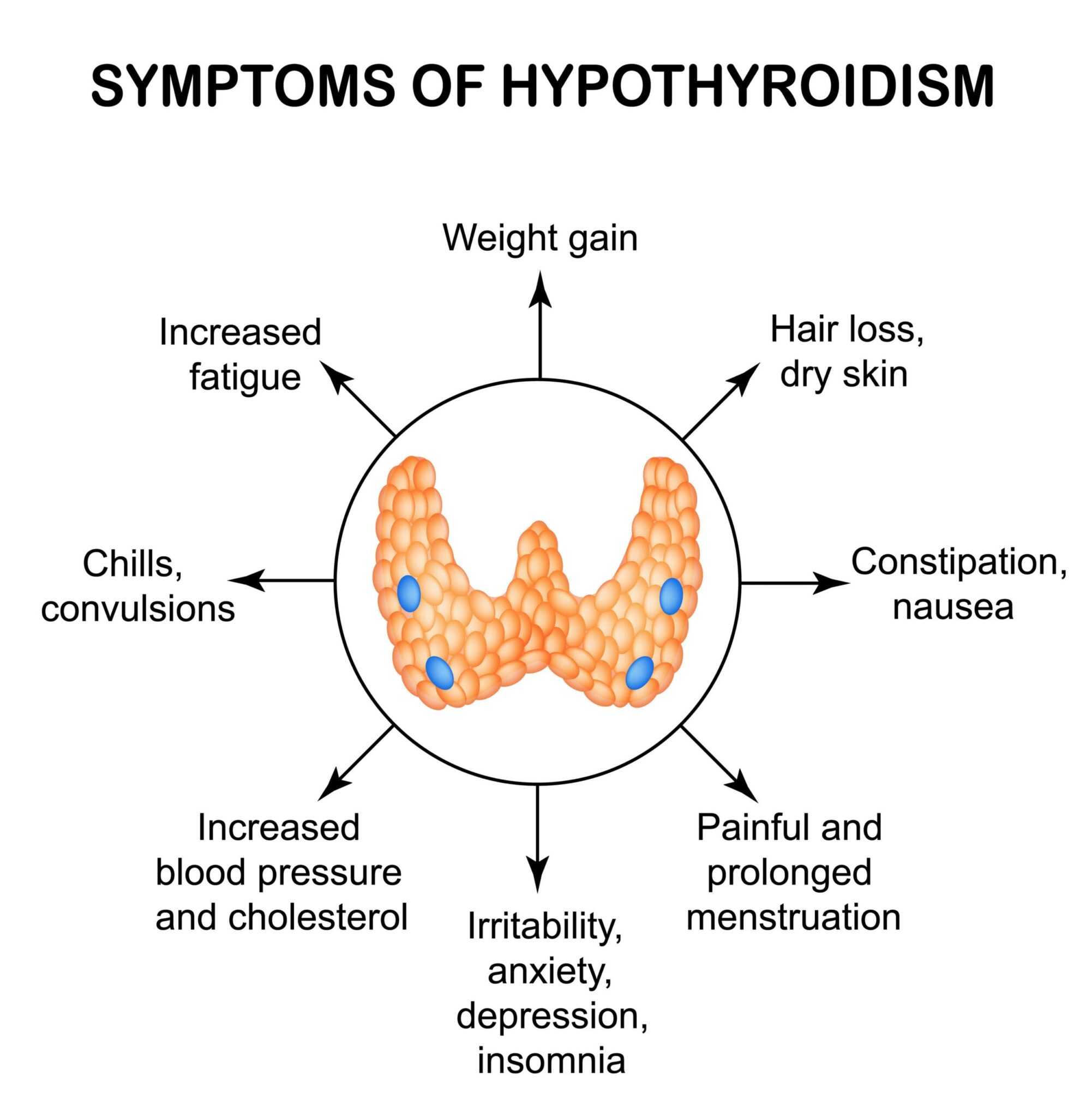 High levels of TPO-Ab can occur with the following diseases:
- Hashimoto’s disease (Hashimoto’s thyroiditis)
- Pernicious anemia
- Rheumatoid collagen disease
- Other thyroid diseases
Thyroid Damage
TPO antibodies damage the thyroid gland by causing inflammation. This can lead to thyroid hormone imbalances. In severe cases, it may lead to thyroid failure. Blood tests may show high TSH and low T4 and T3 levels.
Hashimoto’s Disease and Other Antibodies
Hashimoto’s disease damages the thyroid gland, but the immune system is the real issue. To improve thyroid health, focus on the immune system. If your TPO Ab is elevated, be aware of these additional antibodies:
- TPO Ab
- Thyroglobulin Ab (see the Thyroglobulin Antibody article for more information)
- TSHR blocking Ab
In the early stages of Hashimoto’s disease, thyroglobulin Ab levels rise significantly while TPO Ab may show a small increase. As the disease progresses, thyroglobulin Ab can decrease and may even disappear, while TPO Ab may rise and stay elevated for years.
TSHR blocking Ab blocks the production of thyroid hormones by interfering with TSH action from the pituitary gland. Low T4 and T3 levels might result from this blocking action or from damage caused by the other two antibodies.
More Autoimmune Diseases
People with Hashimoto’s disease may have a higher risk of other autoimmune diseases, including:
- Pernicious anemia
- Adrenal gland insufficiency
- Type 1 diabetes mellitus
- Vitiligo
- Graves’ disease
- Myasthenia gravis
What Causes This?
The exact cause of the immune system attacking the thyroid is unclear. Possible triggers include:
- Genetics
- Toxins or chemicals
- Chronic stress
- Infections (especially viruses)
Viruses
 Researchers link common human viruses to autoimmune thyroid diseases, including:
- Epstein-Barr virus
- Cytomegalovirus
- Herpes simplex I and II
- Enteroviruses
Risk Factors
The following factors may increase the risk of TPO Ab and Hashimoto’s disease:
- Other autoimmune diseases
- Family history of Hashimoto’s disease or other autoimmune conditions
- Pregnancy
- Leaky gut
- Food sensitivities
- Chronic stress
- Nutritional deficiencies
What to Do Next…
While there is no cure for autoimmune disease, you can potentially reduce its impact. If you can help the immune system stop attacking the thyroid, improvement may follow. Consider these two questions:
- How much damage has occurred to the thyroid gland, and do you need thyroid medication?
- How aggressive is the immune system? Are you at risk for more autoimmune diseases?
If the thyroid is too damaged, you may need lifelong medication. However, it’s essential to focus on the immune system, as it may lead to other autoimmune diseases.
Health-building strategies to consider:
- Adopt an Anti-Inflammatory Diet: Focus on whole foods like fruits, vegetables, lean proteins, and healthy fats. Avoid processed foods, refined sugar, and trans fats. Consider eliminating potential immune system triggers like gluten or dairy and any other foods your immune system may be reacting to.
 Manage Stress Levels: Practice relaxation techniques such as meditation, yoga, or deep breathing. Set aside time for hobbies and activities that bring joy. Improving stress management will help support the autonomic nervous system which plays a significant role in maintaining overall body function and health.
- Improve Gut Health: Include probiotics (fermented foods) and prebiotics (fiber-rich foods) in your diet. Avoid foods that irritate the gut, and consider testing for food sensitivities.
- Get Regular, Moderate Exercise: Choose low-impact activities like walking, swimming, or Pilates. Avoid over-exercising, which can worsen inflammation.
- Prioritize Sleep: Aim for 7-9 hours of restful sleep each night. Establish a calming bedtime routine and keep a consistent sleep schedule.
- Stay Hydrated: Drink plenty of water to support overall health.
- Avoid Toxins and Chemicals: Reduce exposure to environmental toxins, such as pesticides, herbicides, harsh cleaning products, and plastics. Choose organic foods when possible.
- Work with a Healthcare Professional: Identify and address any nutritional deficiencies. Consider a personalized approach to managing your condition, including supplements and lifestyle.
- Foster Social Connections: Maintain supportive and meaningful relationships to reduce stress and promote mental health.
- Limit Alcohol and Caffeine: Reduce consumption of these substances, as they can contribute to inflammation, sleep disruption, neurotransmitter imbalances (esp. dopamine) and have a negative impact on the autonomic nervous system.
 Manage Stress Levels: Practice relaxation techniques such as meditation, yoga, or deep breathing. Set aside time for hobbies and activities that bring joy. Improving stress management will help support the autonomic nervous system which plays a significant role in maintaining overall body function and health.
These changes can support immune system balance and improve overall well-being. Always consult a healthcare professional for personalized guidance.
Conclusion
The TPO Antibody Blood Test is crucial for identifying autoimmune thyroid diseases like Hashimoto’s disease. TPO is an essential enzyme for making thyroid hormones. In some cases, the immune system incorrectly produces antibodies that attack this enzyme, causing thyroid inflammation, gland damage, and hormone imbalances.
Risk factors for TPO antibodies include infections, chronic stress, environmental factors, and genetics. Autoimmune thyroid diseases may coexist with other autoimmune conditions. While there is no cure for autoimmune diseases, some interventions can help, such as:
- Low-inflammation diets
- Gut health optimization
- Nutritional support
- Stress management
These strategies can help manage symptoms, slow disease progression, and improve immune function.
Additional Thyroid Blood Tests
I will be writing blogs and making videos for all the major thyroid tests. This will include:
- TSH
- T4
- T3
- rT3
- T3U
- TPOAb
- TSI
- TgAb
- TRAb
Order A TPO Antibody Blood Test
Are you ready to take the first step towards a healthier thyroid? By understanding the significance of TPO antibodies, you can empower yourself to make informed decisions about your health. Consider ordering a TPO antibody blood test to gain valuable insights into your thyroid function. Remember, early detection and proactive management are key to achieving optimal thyroid health.
This article by Dr. Clint Sexton and Sexton Functional Medicine is for educational purposes only and is not a substitute for professional medical advice, diagnosis, or treatment. Always consult a qualified healthcare provider regarding your individual health concerns. Reading this article does not establish a doctor–patient relationship.