
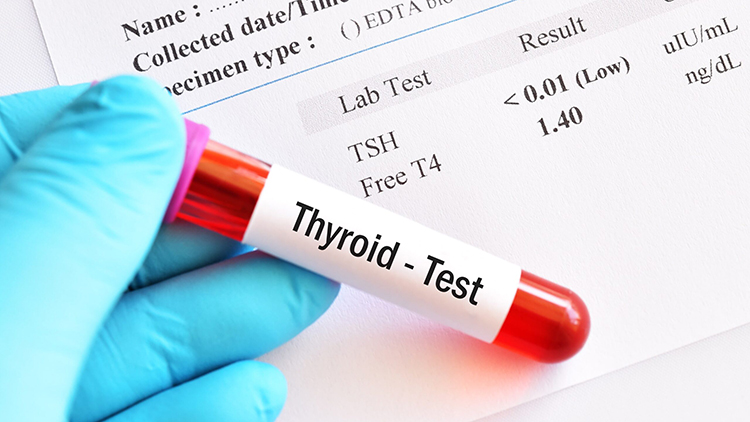
Take control of your energy and metabolism by exploring our Thyroid gland lab test. This thyroid hormone is essential for regulating metabolic processes, supporting energy production, and maintaining cellular function. Fluctuations in T4 levels can affect your overall health, influencing everything from your weight and energy to heart function and mental clarity. Start your journey to better thyroid health today.
Your Energy and Metabolism Hormone!
What is T4?
Taking charge of your thyroid health is essential for maintaining energy, metabolism, and overall vitality. By understanding the role of T4 and monitoring its levels, you can take proactive steps to optimize your health. Whether it’s through regular blood tests, dietary adjustments, supplements, or medication when necessary, your actions can make a significant difference. Don’t wait for symptoms to disrupt your life—your well-being starts with informed choices and timely action.
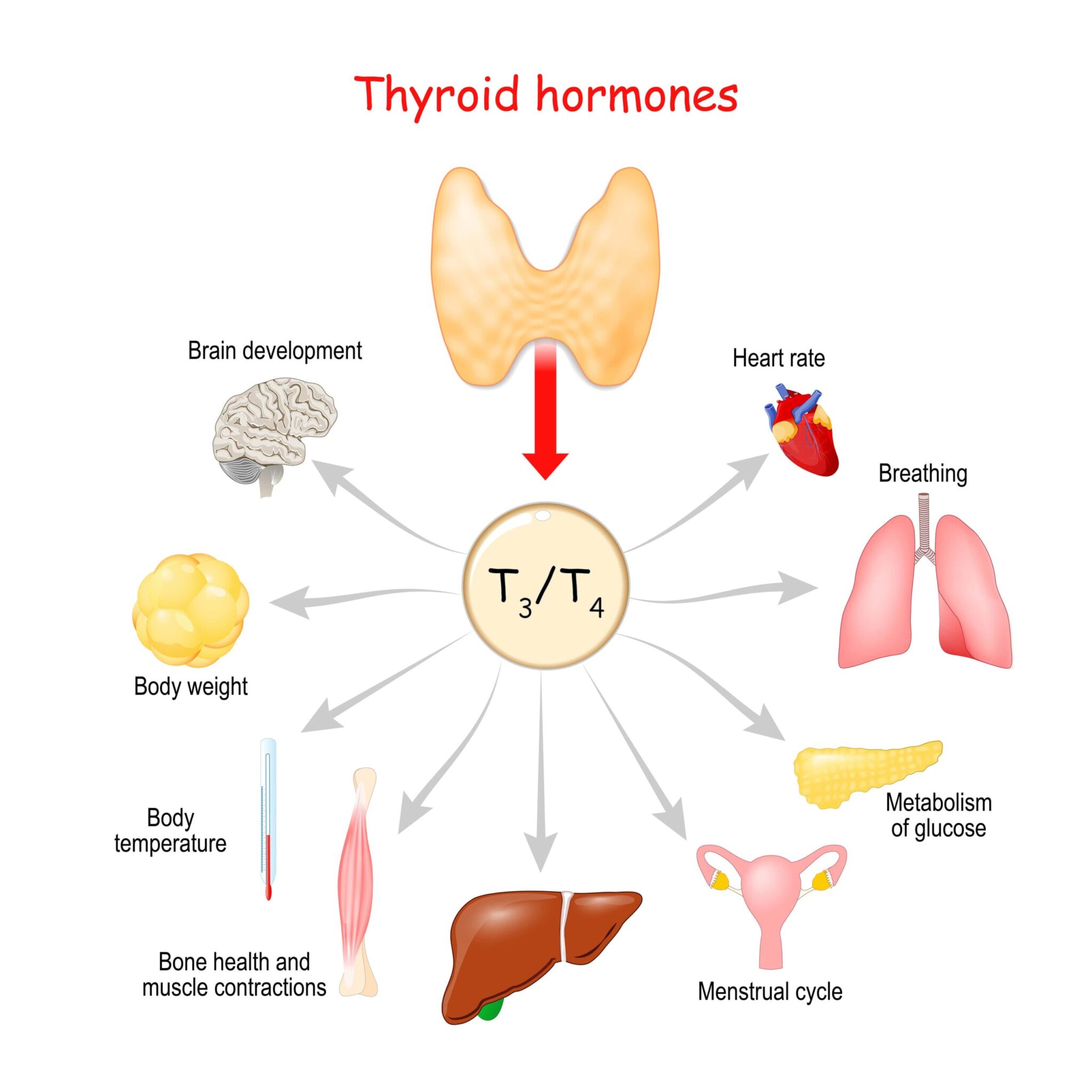
T4 (thyroxine) is the main hormone produced by your thyroid gland. It is called T4 because it contains 4 atoms of iodine attached to the amino acid tyrosine, whereas T3 only has 3 atoms iodine. Your body takes the T4, removes one of the iodine atoms and you get T3. I want to take each Thyroid gland lab test and discuss them separately so as to avoid confusion. Your T3 hormone comes from T4, so let’s spend our time on T4 right now because anything that alters your T4 levels will impact your T3 levels.
Your thyroid gland is a butterfly-shaped gland found at the front of your throat. You can think of your thyroid gland like you would the thermostat in your house. If you turn up your thermostat, your home gets warmer. If you turn up the thyroid gland, making more T4 hormone, your metabolism goes up and you make more energy.
Thyroid on blood labs
What does T4 Do?
In a nutshell, thyroid hormones are necessary for your cells to make energy. If your cells can’t make energy, they can’t maintain a healthy state. Think of your cells as individual organisms, if they can’t make their own energy in sufficient quantities they can’t perform all of the housekeeping required to remain healthy.
T4 has a wide-range of metabolic activities including:
- Basal metabolic rate
- Metabolism of food
- Growth and development
- Enabling energy production in organs and systems. Your heart, brain, and immune system require tremendous amounts of energy to function properly.
Blood work T4
T4 Your Metabolism Hormone
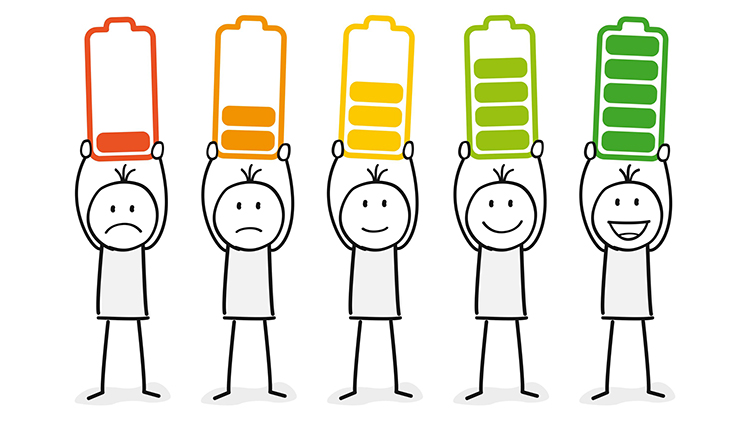
T4 is your metabolism hormone. When people speak of metabolism they are usually referring to how many calories or how much fat you are burning. While it is true that you need T4 to burn calories and body fat, metabolism means more than this.
Metabolism: the balance of two constant activities in your body: building up body tissues and energy stores and the breaking down of old body tissues and energy stores to be used as energy. So it’s building the new, tearing down the old and creating all of the energy required to do this.
Once you understand what T4 does, it’s easy to understand why high or low levels create health problems.
Symptoms of Low and High T4
Low T4 – Low metabolism
Hypothyroidism labs
- Weight gain
- Fatigue
- Hair loss
- Brittle nails
- Depression
- Irregular menstruation
- Constipation
- Dry skin
- Puffy face
- Thinning eyebrows
- Lower body temperature; feeling cold
- Slow heart rate
Hypothyroidism and lab values. A typical case of hypothyroidism would show a low level of T4 and a high value of TSH on a Thyroid gland lab test.
High T4 – High metabolism
- Excessive sweating
- Increased heart rate
- Heat intolerance
- Restlessness
- Irritability
- Nervousness
- Weight loss
- Insomnia
- Protruding eyeballs
What controls the level of T4 in my body?
In an earlier article I discussed TSH, so I’ll keep this brief. TSH (Thyroid Stimulating Hormone) is a hormone produced by a gland in your head called the pituitary gland. When levels of T4 go down, the pituitary gland senses this drop and releases more TSH into your bloodstream. TSH signals your thyroid gland to make more T4 hormone.
If your levels of T4 climb too high, your pituitary glands senses this and reduces the amount of TSH it releases into your bloodstream and so your thyroid gland makes less T4. It is like a seesaw when T4 goes down, TSH goes up and when T4 goes up, TSH goes down. This is what we expect to see under healthy body conditions.
What is T4 blood work?
Blood work T4. Your T4 lab value indicates the total amount of T4 in your bloodstream at the time your blood was drawn.
T4 Medication?
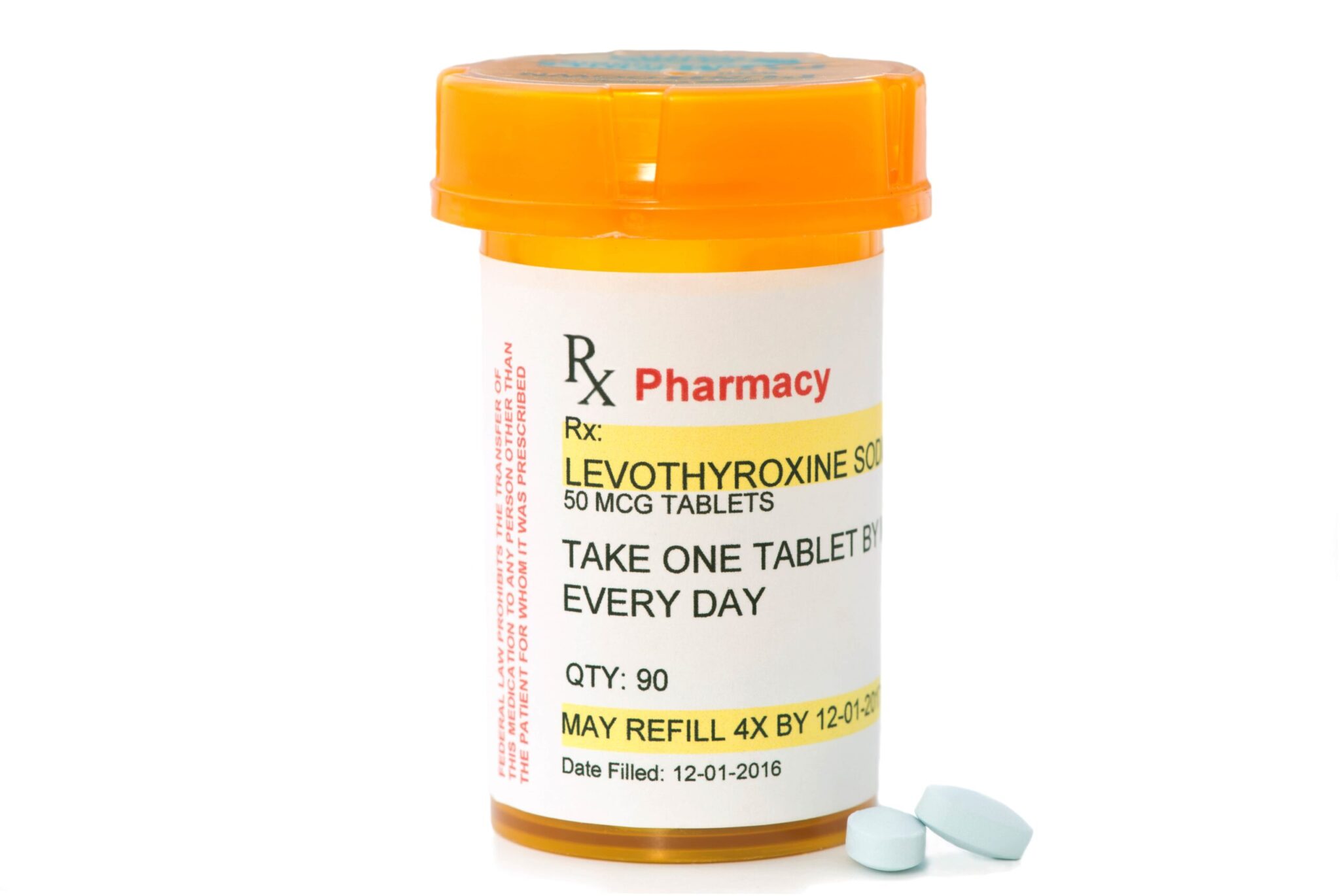
If your thyroid gland cannot make enough T4, then medication may be required. If for whatever reason your thyroid gland is not able to produce sufficient levels of thyroid hormone, then medication is the next logical step. I am not quick to jump to medication (personally I don’t take any)… I prefer to avoid medication whenever possible.
I try to support my body with diet changes, dietary supplements and other lifestyle changes before considering the use of medication. However, if for whatever reason my body was not able to produce sufficient levels of T4, I would take the medication. I view T4 medication as more of a “replacement” than a drug…I say this because every single human being requires T4 to maintain health and life…it’s not “optional” and the medication is replacing something that your body normally produces. Your body needs adequate levels of T4, if you can’t make it, you have to take it as a medication …period. That’s my opinion on thyroid medications.
Which Supplements Should I Take?
Here are some of the nutrients that can help your body produce more T4 hormone. These are required for the production of thyroid hormone and support of the thyroid gland itself. Taking a dietary supplement will be most effective if you have a deficiency of that nutrient.
- Iodine: a trace mineral (may be contraindicated as a supplement with Hashimoto’s disease but is still required for the production of T4).
- Selenium: a trace mineral required for the production of T4 and helps protect the thyroid gland.
- Zinc: a trace mineral required for production of T4 hormone and T4 hormone is essential for the absorption of zinc.
- Copper: a trace mineral required for T4 and TSH production.
- Iron: a trace mineral that is essential for the activity of enzymes required in thyroid hormone production.
- Vitamin D: helps protect the thyroid gland against autoimmune disease which is a very common cause of low T4/ hypothyroidism.
- Vitamin A: along with vitamin D, Vitamin A helps balance TSH levels and help protect against the development of thyroid autoimmune disease.
- L-tyrosine: an amino acid / building block of protein; not a common deficiency if adequate protein is consumed in the diet.
Trace Minerals
You may have noticed that the first 5 nutrients are all trace minerals. Trace minerals are nutrients that are required in relatively small amounts for normal bodily function. Iron is frequently tested on blood tests but the others are rarely assessed in routine blood tests.
Considerations when Interpreting Thyroid Tests
- Your thyroid is a complex gland that works with other glands and organs in your body. Overall health is very important to consider when attempting to improve thyroid function.
- Always support the basics of overall health and nutrition before considering more unusual or uncommon solutions. Key factors to consider are inflammation, food sensitivities and the nutrients listed above.
 Laboratory test for thyroid. Tests found on a thyroid panel taken independently instead of collectively are often misleading and inadequate in correctly determining thyroid gland and thyroid hormone status. It is best to have several tests so that the exact point of breakdown can be isolated. For example, instead of only having a TSH and fT4, a more complete and useful panel might include: TSH, fT4, T4, T3, f-T3 and T3U. These more expanded panels are not typically ordered because in our present healthcare system there is only one question to be answered; should you be put on thyroid medication or not. This is a very limited view of a very important and complex system of your body. Something as common as the estrogen in birth control pills can cause lower levels of fT4 even if you have normal levels of T4…so you don’t have a thyroid problem, you have created an “estrogen problem” that is now affecting the thyroid hormone in your body. With more complete testing, better decisions regarding your health can be made.
 Laboratory test for thyroid. Tests found on a thyroid panel taken independently instead of collectively are often misleading and inadequate in correctly determining thyroid gland and thyroid hormone status. It is best to have several tests so that the exact point of breakdown can be isolated. For example, instead of only having a TSH and fT4, a more complete and useful panel might include: TSH, fT4, T4, T3, f-T3 and T3U. These more expanded panels are not typically ordered because in our present healthcare system there is only one question to be answered; should you be put on thyroid medication or not. This is a very limited view of a very important and complex system of your body. Something as common as the estrogen in birth control pills can cause lower levels of fT4 even if you have normal levels of T4…so you don’t have a thyroid problem, you have created an “estrogen problem” that is now affecting the thyroid hormone in your body. With more complete testing, better decisions regarding your health can be made.
Do you have to fast for thyroid blood work?
Note: Many people wonder if they need to fast before a Thyroid gland lab test. It is typically not necessary to fast before a thyroid blood test, if you are having other labs performed at the same blood draw then fasting may be required. It is however recommended not to take any dietary supplements that contain biotin for 3 days/ 72 hours before a thyroid test.
Order Your Thyroid Gland T4 At Home Test
The thyroid gland is a crucial organ influencing energy and metabolism, with T4 (thyroxine) as its primary hormone. Acting as your body’s metabolic regulator, T4 plays a pivotal role in processes like energy production, growth, and cellular maintenance. Variations in T4 levels can lead to significant health conditions, including hypothyroidism or hyperthyroidism, impacting everything from weight and energy levels to heart and mental health. Understanding and managing T4 levels through blood labs, dietary choices, and sometimes medication ensures a balanced metabolism and overall well-being.
Additional Thyroid Blood Tests
I will be writing blogs and making videos for all of the major thyroid gland lab tests. This will include, TRH, TSH, T4, fT4, T3, fT3, rT3, T3U, TPOAb, TSI, TgAb and TRAb.
This article by Dr. Clint Sexton and Sexton Functional Medicine is for educational purposes only and is not a substitute for professional medical advice, diagnosis, or treatment. Always consult a qualified healthcare provider regarding your individual health concerns. Reading this article does not establish a doctor–patient relationship.